
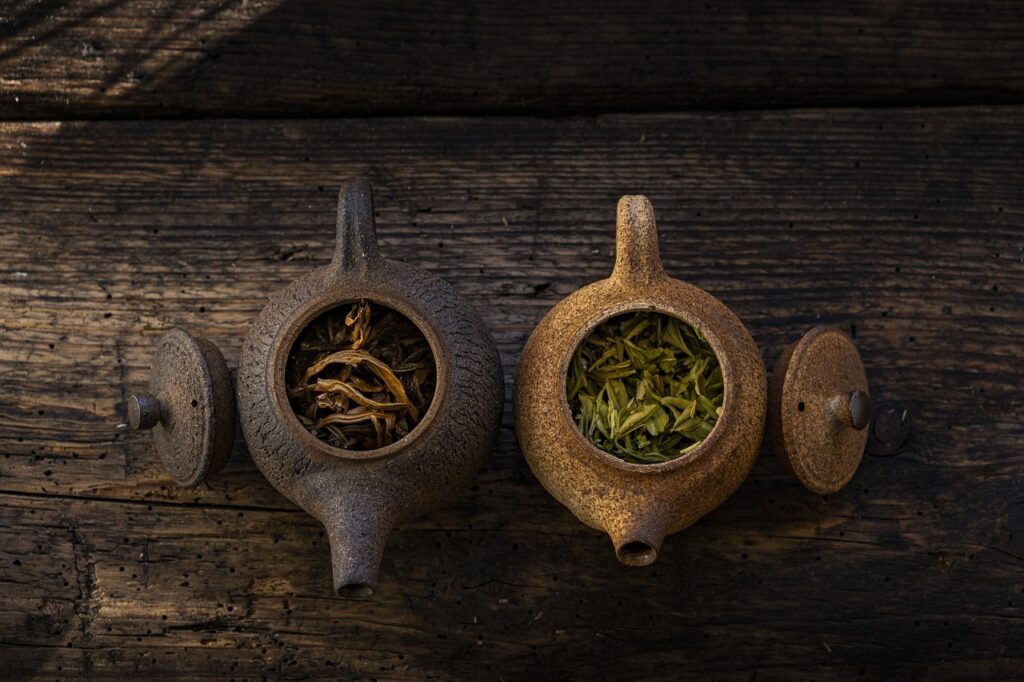
Discover the Unique Qualities of Two Popular Teas
Green tea and black tea are two of the most beloved beverages worldwide. While they come from the same plant, Camellia sinensis, they differ in processing, flavour, and health benefits. This guide breaks down the key differences between green vs. black tea to help you decide which is best for your lifestyle and preferences.
Processing Methods: How Are They Made?
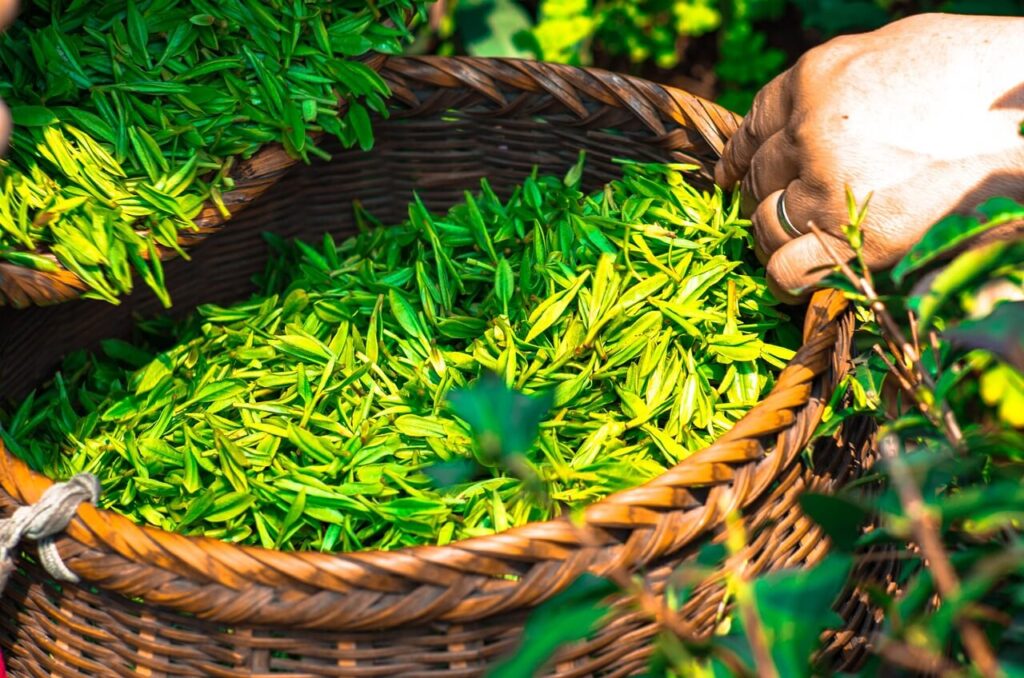
Green Tea
- Minimal Oxidation: Fresh tea leaves are steamed or pan-fired immediately after harvesting to prevent oxidation. This retains the tea’s green colour and fresh flavour.
- Drying Process: Leaves are dried to lock in their nutrients and taste.
- Examples: Matcha, Sencha, and Gyokuro.
Black Tea
- Full Oxidation: Leaves are allowed to wither and oxidize, deepening their colour and intensifying their flavour.
- Drying Process: Fully oxidized leaves are dried to preserve their rich, robust taste.
- Examples: Assam, Darjeeling, and Earl Grey.
Flavour Profiles: A Matter of Taste
Green Tea
- Taste: Light, fresh, grassy, or vegetal. Certain types may have sweet or umami notes.
- Aroma: Subtle, with hints of floral or earthy tones.
Black Tea
- Taste: Bold, robust, malty, or even fruity, depending on the variety.
- Aroma: Stronger and more pronounced compared to green tea.
Caffeine Content: Energy Levels Compared
- Green Tea: Contains about 20-45 mg of caffeine per 8-ounce cup. Ideal for a gentle energy boost without jitters.
- Black Tea: Offers 40-70 mg of caffeine per 8-ounce cup, making it a stronger option for those needing more alertness.
Health Benefits: Green vs. Black

Green Tea
- Antioxidants: High in catechins, particularly EGCG, known for combating free radicals.
- Weight Management: Supports metabolism and fat burning.
- Heart Health: May reduce cholesterol and lower blood pressure.
- Brain Function: Contains L-theanine, which promotes relaxation and focus.
Black Tea
- Antioxidants: Rich in theaflavins and thearubigins, which support heart and gut health.
- Cardiovascular Benefits: May improve blood flow and lower cholesterol levels.
- Mental Alertness: Higher caffeine content enhances focus and energy.
Brewing Differences: How to Get It Right
| Tea Type | Temperature | Steeping Time |
|---|---|---|
| Green Tea | 160-180°F | 2-3 minutes |
| Black Tea | 200-212°F | 3-5 minutes |
Tips:
- Green Tea: Avoid water that’s too hot to prevent bitterness.
- Black Tea: Steep longer for a richer flavour but avoid over-steeping to prevent astringency.
Cultural Significance
Green Tea
- Central to East Asian traditions, especially in China and Japan.
- Often associated with health, mindfulness, and ceremonial practices.
Black Tea
- A staple in Western countries like the UK and India.
- Enjoyed with milk and sugar or as part of afternoon tea rituals.
Choosing the Right Tea for You

- For a Gentle Boost: Opt for green tea if you prefer lighter flavours and lower caffeine.
- For Bold Flavors: Choose black tea if you enjoy robust taste and higher energy.
- Health Priorities: Both teas offer unique benefits—consider your health goals when selecting.
Conclusion: Two Teas, Endless Possibilities
Whether you love the fresh notes of green tea or the bold flavours of black tea, both have something special to offer. Explore these teas, experiment with brewing methods, and enjoy the health benefits they bring to your daily routine. Thanks for reading our guide on green tea vs black tea.
Explore Green and Black Teas with Zen Blend
Ready to try these classic teas? Discover our premium selection of green and black teas, carefully curated for exceptional flavour and quality. Shop Now.