
Unearthing Tea’s Rich History
Tea is one of the world’s oldest and most beloved beverages. Its history is steeped in legend, with roots tracing back thousands of years and spanning every corner of the globe. The journey of tea is as rich and nuanced as its flavours. It weaves together stories of discovery, culture, and commerce. This article explores the origins of tea, from its legendary beginnings in ancient China to its modern-day role as a global staple.
A Mythical Beginning: Tea’s Discovery in Ancient China
The story of tea begins with a legend from 2737 BCE, during the reign of Emperor Shen Nong in ancient China. According to folklore, the emperor, known for his interest in herbal medicine, was boiling water beneath a tree. Leaves from a wild tea plant drifted into his pot. Intrigued by the aroma and flavour, Shen Nong tasted the brew. He discovered tea’s potential as both a refreshing beverage and a medicinal aid. This moment marked the start of humanity’s enduring relationship with tea.
Today, this story reflects tea’s cultural significance as a symbol of mindfulness and hospitality. It reminds us of tea’s foundational role in fostering connection and wellness. Its humble beginnings highlight tea’s universal appeal, bridging cultures and time.
Early Use and Cultivation

Tea’s popularity grew steadily in China, especially during the Tang Dynasty (618–907 CE). By this time, tea was systematically cultivated. Its preparation evolved into an art form. The elite enjoyed elaborate tea ceremonies, while common people valued its restorative properties. Historical records show that tea often aided digestion and alleviated fatigue. Compressed tea bricks were used for trade and given as valuable gifts. These practices reflect tea’s deep cultural and economic significance.
Tea’s Journey to Japan
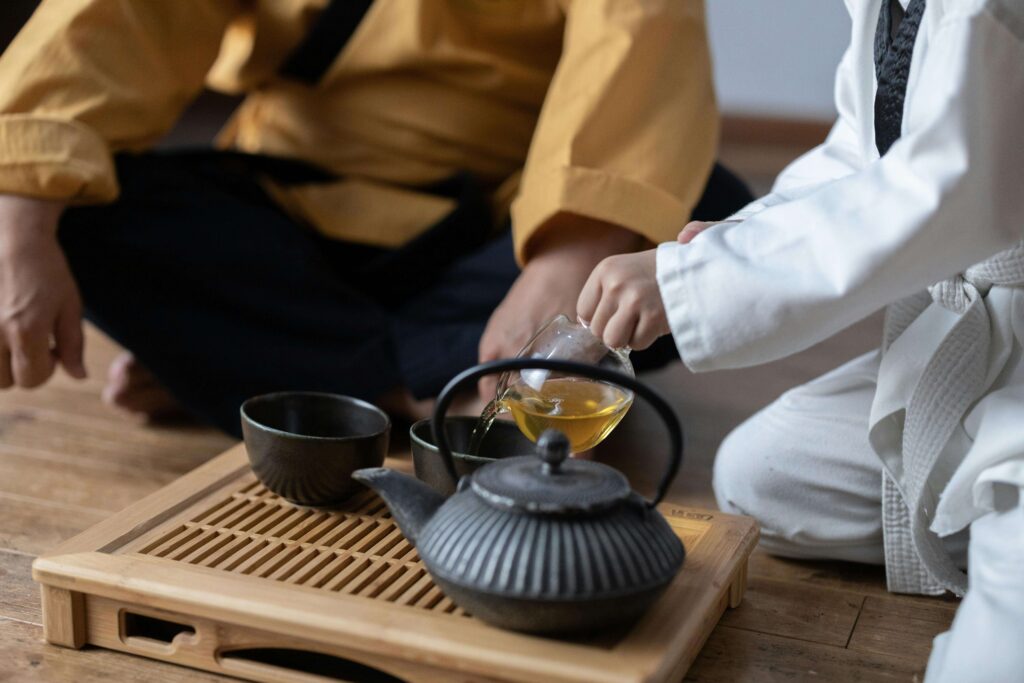
In the early 9th century, Buddhist monks brought tea to Japan after studying in China. They embraced tea drinking as part of their spiritual practice. Tea promoted mindfulness and clarity during meditation. Over time, this cultural exchange gave rise to the Japanese tea ceremony, or chanoyu. This ritual emphasizes harmony, respect, and tranquility.
The Spread of Tea to Europe
Tea first reached Europe in the 16th century, brought by Portuguese and Dutch traders. Initially, it was a luxury item for the aristocracy. During the 17th century, tea’s popularity soared in England. The British East India Company began large-scale imports in 1664. This led to the establishment of tea plantations in colonial India and Sri Lanka. Anna, the Duchess of Bedford, popularized the ritual of afternoon tea, cementing tea’s place in British culture.
Colonial Impact and Global Expansion
Europe’s growing demand for tea had profound effects on global trade and colonization. In India, the British introduced large-scale tea cultivation in Assam and Darjeeling. These plantations relied on local labor under exploitative conditions. The establishment of trade routes, such as the Silk Road and maritime shipping lanes, facilitated tea’s spread to the Americas and beyond.
Did You Know?
- The legend of Emperor Shen Nong discovering tea forms the basis of many Chinese herbal medicine traditions.
- Tea bricks once served as currency along the Silk Road, underscoring their economic value in ancient trade.
- In Morocco, mint tea is often called “Berber whiskey” and is served three times, each cup symbolizing life, love, and death.
Modern Tea Culture

Today, tea is enjoyed in countless forms, from traditional ceremonies in East Asia to casual iced teas in the West. Green, black, oolong, and herbal teas each offer unique flavours and benefits. Modern trends like wellness culture highlight tea’s role in promoting relaxation and health. Eco-friendly practices, such as sustainable farming and biodegradable packaging, are reshaping the tea industry. These changes reflect a modern appreciation for tea’s heritage and its potential to bring people together.
The Cultural Significance of Tea
Tea is more than a beverage; it is a symbol of hospitality, comfort, and connection. In China, tea ceremonies emphasize balance and respect. In Japan, chanoyu embodies mindfulness and aesthetic appreciation. In England, the tradition of afternoon tea fosters social bonding. In India, chai is a daily ritual shared in bustling markets and family gatherings. Similarly, in Morocco, preparing and serving mint tea reflects hospitality and tradition. These diverse practices underscore tea’s enduring role in building relationships and cultural identity.
Conclusion: Tea’s Timeless Journey
From its mythical discovery in ancient China to its role as a global staple, tea’s journey illustrates its universal appeal. Its rich history, steeped in culture and commerce, continues to inspire and connect people worldwide. Whether enjoyed during quiet reflection or shared with friends, tea remains a timeless companion, bridging past and present. Thanks for reading our article about the origins of tea.
Explore the World of Tea with Zen Blend
At Zen Blend, we celebrate tea’s rich history and cultural significance by offering a curated selection of premium teas. Discover your next favourite blend and experience the timeless tradition of tea for yourself. Shop Now.