
Unveiling the World of Tea: A Comprehensive Guide
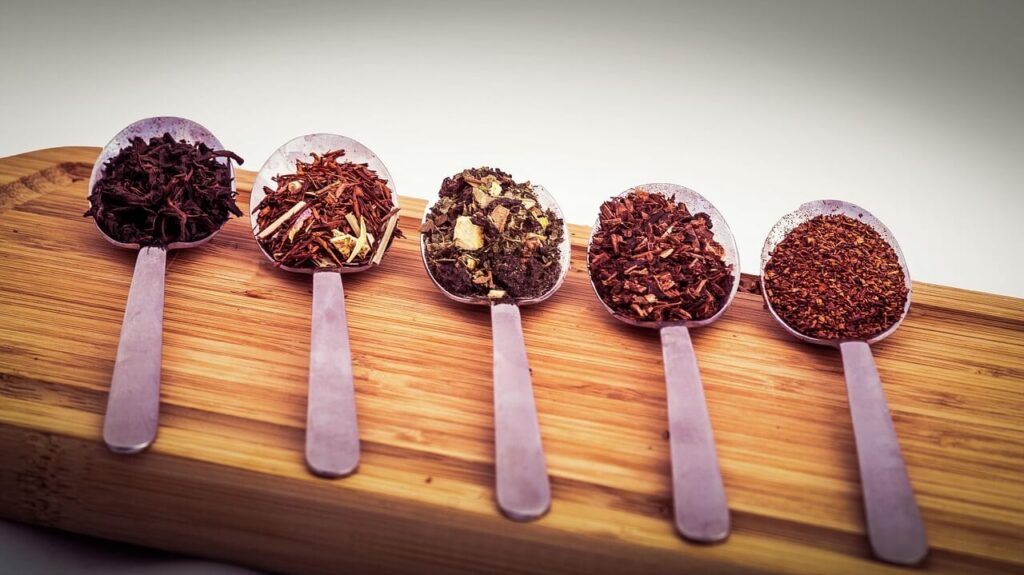
Tea, the world’s second most-consumed beverage after water, is a drink of unparalleled diversity and cultural significance. Understanding the different types of tea, from green to oolong, allows tea enthusiasts to fully appreciate its rich heritage and benefits. From the fresh and grassy notes of green tea to the complex flavours of oolong, understanding the types of tea opens a gateway to centuries of tradition, health benefits, and sensory pleasure. This guide explores the different types of tea, their unique characteristics, and how to enjoy them to the fullest.
What Defines Tea Types?

All true teas come from the Camellia sinensis plant. The differences in tea types arise from variations in:
- Processing methods: Withering, rolling, oxidation, and drying.
- Oxidation levels: Determines the color and flavor profile.
- Terroir: Soil, climate, and altitude affect the tea’s character.
These factors combine to create the six main types of tea: green, black, oolong, white, and pu-erh. Herbal infusions, while widely enjoyed, are technically not ‘true teas’ as they do not come from the Camellia sinensis plant.
Green Tea: The Elixir of Health
Origins and Processing
Green tea has its roots in China and Japan. The leaves are quickly steamed or pan-fired to prevent oxidation, preserving their vibrant green color and high antioxidant content, which contributes to its reputation as a health elixir.
Flavor Profile
Fresh, grassy, and sometimes nutty, green tea offers a delicate taste.
Health Benefits
- High in antioxidants, particularly catechins.
- Supports metabolism and weight management.
- May improve brain function and reduce the risk of chronic diseases.
Popular Varieties
- Matcha: Powdered green tea with a rich, umami flavor.
- Sencha: A steamed Japanese tea with a fresh taste.
- Longjing (Dragon Well): A Chinese tea with nutty undertones.
Black Tea: Bold and Robust
Origins and Processing
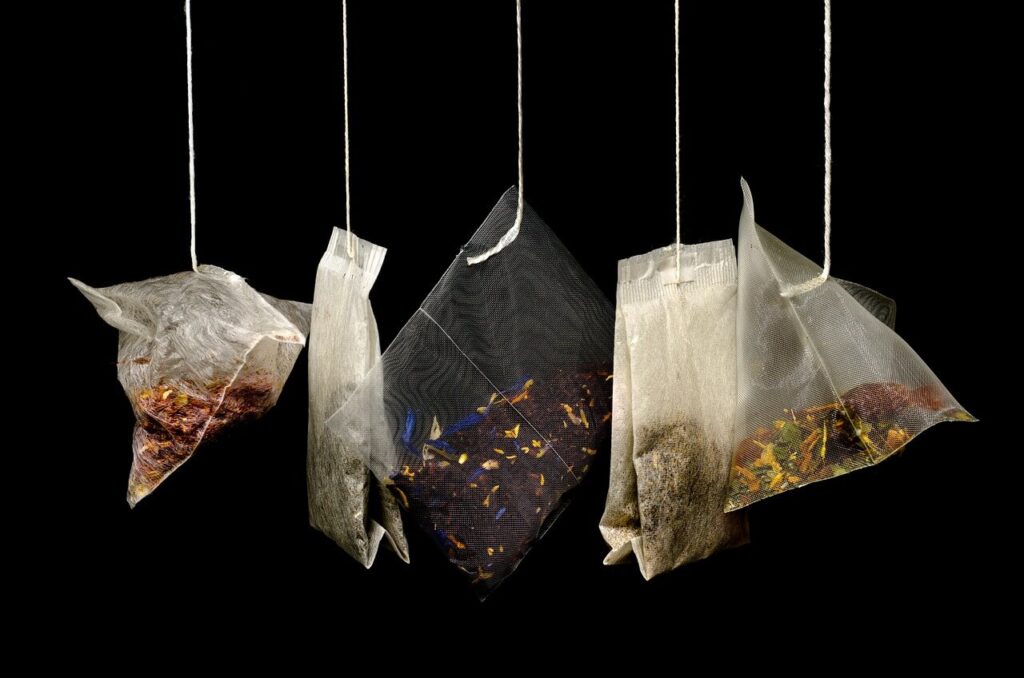
Black tea is fully oxidized, giving it a dark color and strong flavor. India and Sri Lanka are prominent producers.
Flavour Profile
Bold, malty, and sometimes fruity or astringent.
Health Benefits
- Rich in flavonoids, supporting heart health.
- Can improve focus and energy due to its caffeine content.
- Promotes gut health.
Popular Varieties
- Assam: Known for its malty and bold flavour.
- Darjeeling: A lighter, floral tea often called the “Champagne of Teas.”
- Earl Grey: Black tea infused with bergamot oil.
Oolong Tea: The Art of Balance
Origins and Processing
Oolong tea hails from China and Taiwan. It is semi-oxidized, meaning the leaves are partially exposed to air, which creates a balance between the freshness of green tea and the robustness of black tea.
Flavour Profile
Floral, fruity, or roasted, with wide variations based on oxidation levels.
Health Benefits
- May enhance metabolism and aid in fat burning.
- Promotes healthy skin and digestion.
Popular Varieties
- Tie Guan Yin: A floral, lightly oxidized oolong.
- Da Hong Pao: A heavily roasted oolong with rich, earthy notes.
White Tea: Delicate and Rare
Origins and Processing
White tea is minimally processed, made from young leaves and buds.
Flavour Profile
Delicate, light, and slightly sweet.
Health Benefits
- High in antioxidants.
- May reduce the risk of chronic diseases and improve skin health.
Popular Varieties
- Silver Needle: The most prized white tea, made from only the buds.
- White Peony: A blend of buds and leaves with a fuller flavor.
Pu-erh Tea: Aged to Perfection
Origins and Processing
Pu-erh tea undergoes fermentation and aging, primarily in China’s Yunnan province.
Flavour Profile
Earthy, rich, and sometimes musty, with complexity increasing over time.
Health Benefits
- Aids digestion and supports gut health.
- May help with weight management.
Popular Varieties
- Sheng (Raw): Green tea-like, aged naturally.
- Shou (Ripe): Fermented for a darker, smoother flavour.
Herbal Infusions: Beyond True Tea
Origins and Processing
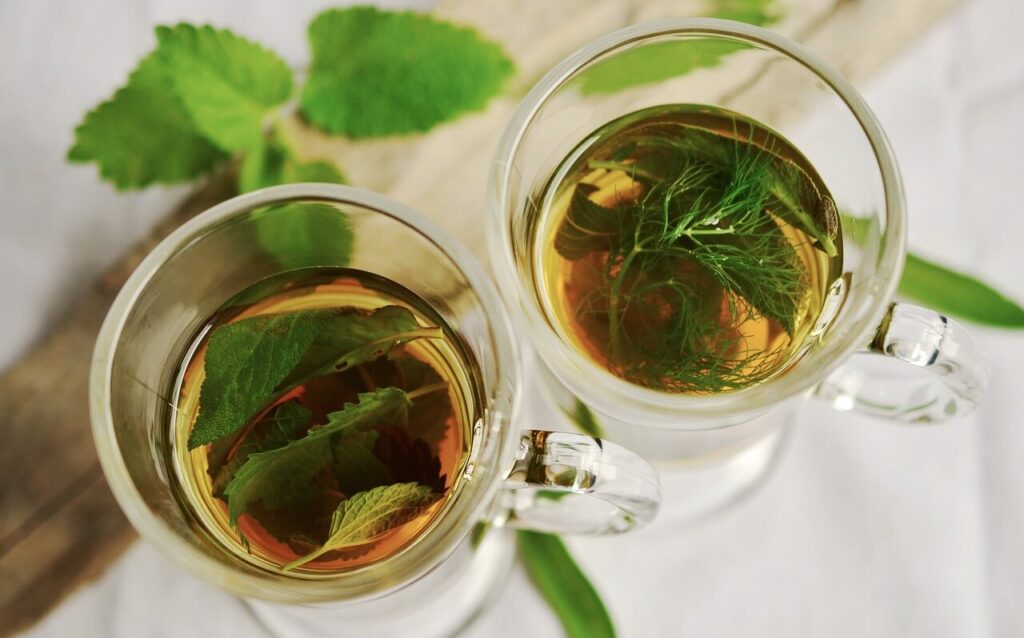
Herbal teas are not made from Camellia sinensis. They consist of herbs, flowers, fruits, and spices.
Popular Types
- Chamomile: Known for its calming properties.
- Peppermint: Refreshing and aids digestion.
- Rooibos: A caffeine-free option with a sweet, nutty flavor.
Health Benefits
- Relaxation and stress relief.
- Digestive and immune support.
How to Brew Each Tea Type
General Tips
- Use fresh, filtered water.
- Adjust steeping time and temperature based on tea type.
| Tea Type | Temperature | Steeping Time |
|---|---|---|
| Green Tea | 160-180°F | 2-3 minutes |
| Black Tea | 200-212°F | 3-5 minutes |
| Oolong Tea | 185-205°F | 3-5 minutes |
| White Tea | 175-185°F | 4-5 minutes |
| Pu-erh Tea | 200-212°F | 4-5 minutes |
| Herbal Tea | 200-212°F | 5-7 minutes |
Conclusion: Savour the Diversity of Tea
Each type of tea offers a unique experience, from the refreshing notes of green tea to the intricate complexity of oolong. Explore the variety of premium teas available on our website and begin your personalized tea journey today. Understanding these differences allows you to appreciate tea’s rich history and cultural significance while finding the perfect brew for any occasion. Begin your tea journey today and explore the endless possibilities in every cup. Thanks for reading our guide on understanding different types of tea.
Explore Premium Teas with Zen Blend
At Zen Blend, we celebrate the art and science of tea with a curated selection of premium blends. Discover your favourite tea type and unlock its full potential. Shop Now.